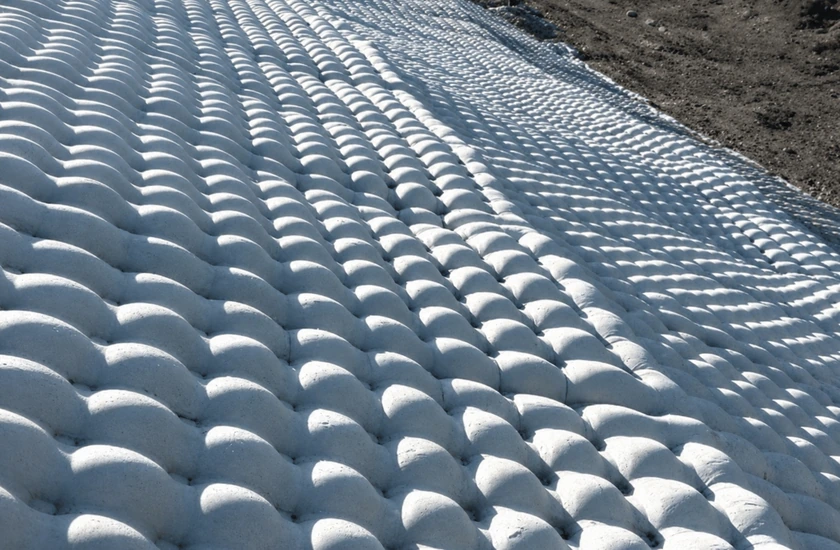
Concrete-filled mattress
Formed on site to protect slopes, banks and channels.
Woven and nonwoven fabrics for separation, filtration, protection and reinforcement.
Discuss your project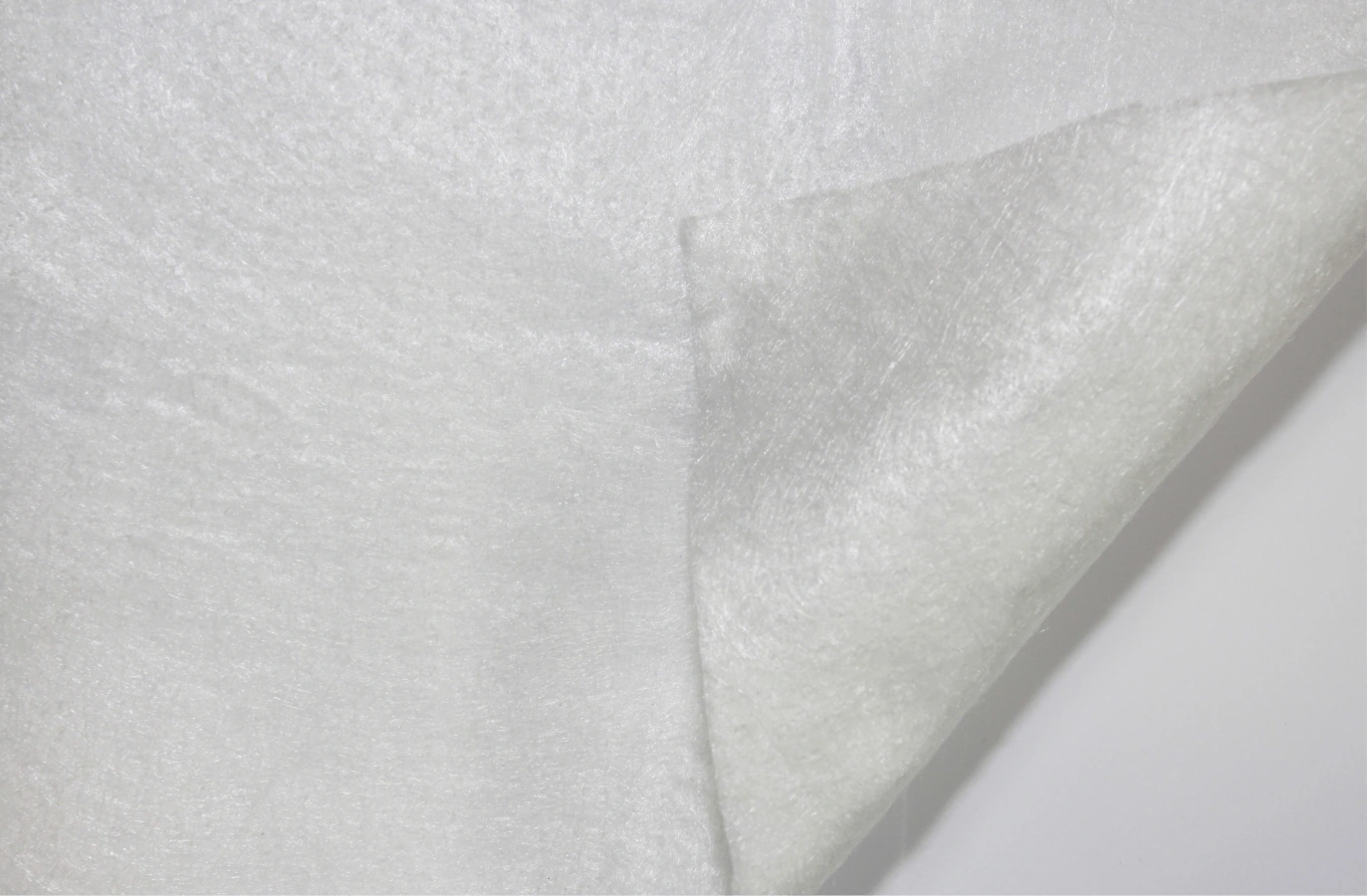
Start with the required function. Filtration depends on permeability and pore size, liner protection on puncture resistance, and reinforcement on the design strength of the fabric. ТОО «KazPolimer Engineering» · kazpolimer.kz
Read the detailed description
For filtration, separation and protection of adjacent layers.
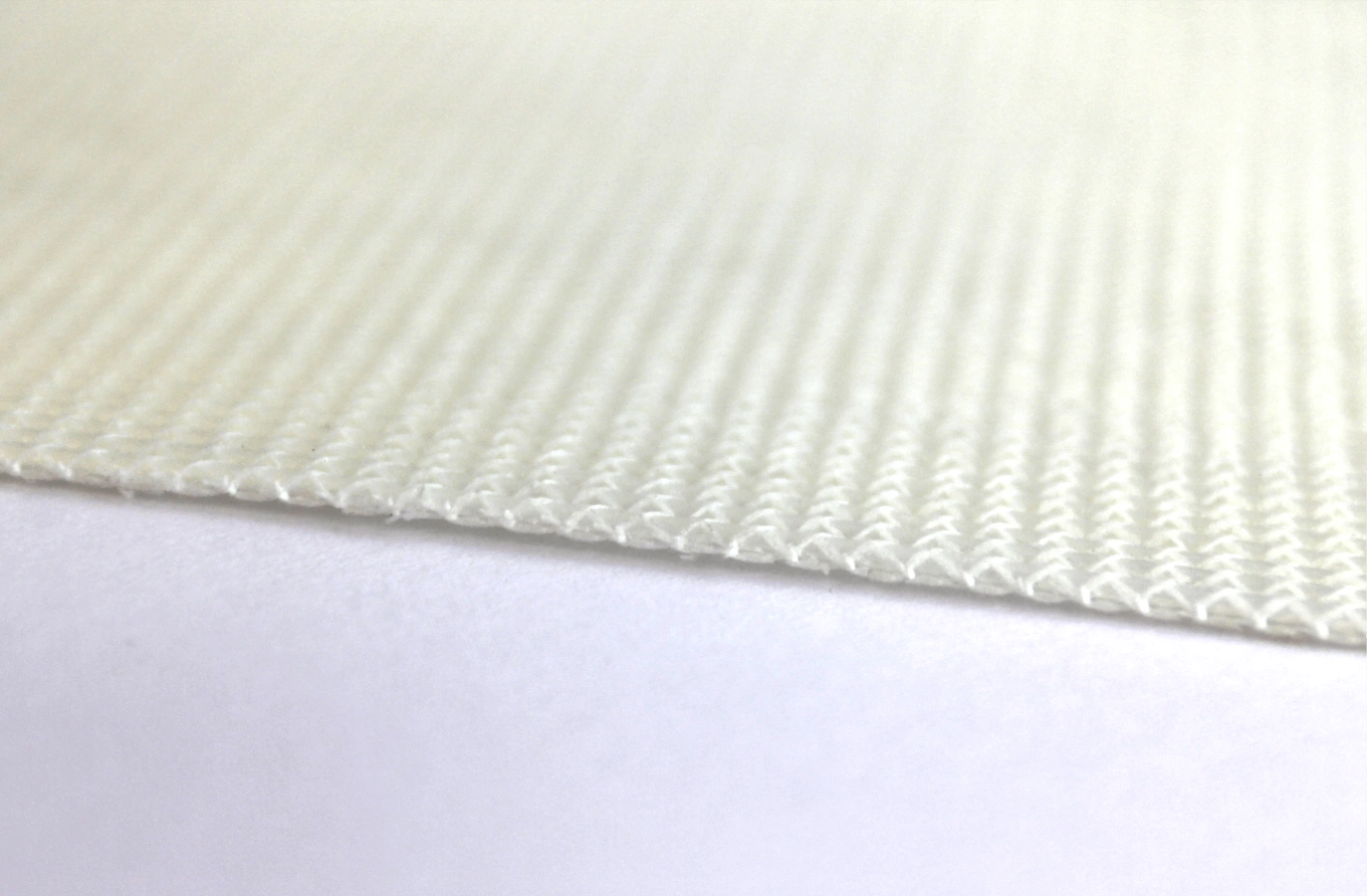
For applications where tensile strength is a primary requirement.
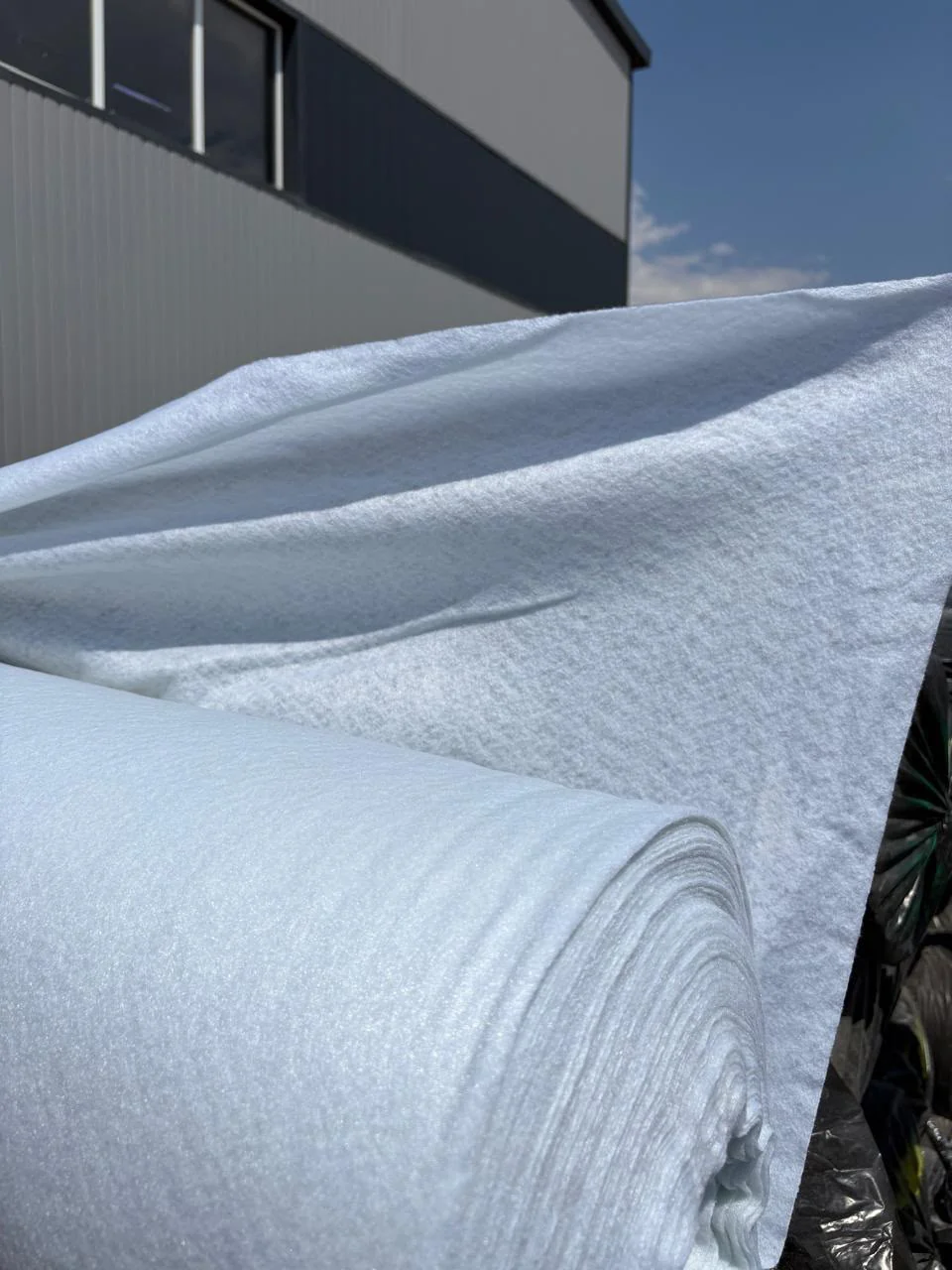
Unwrapped geotextile fabric
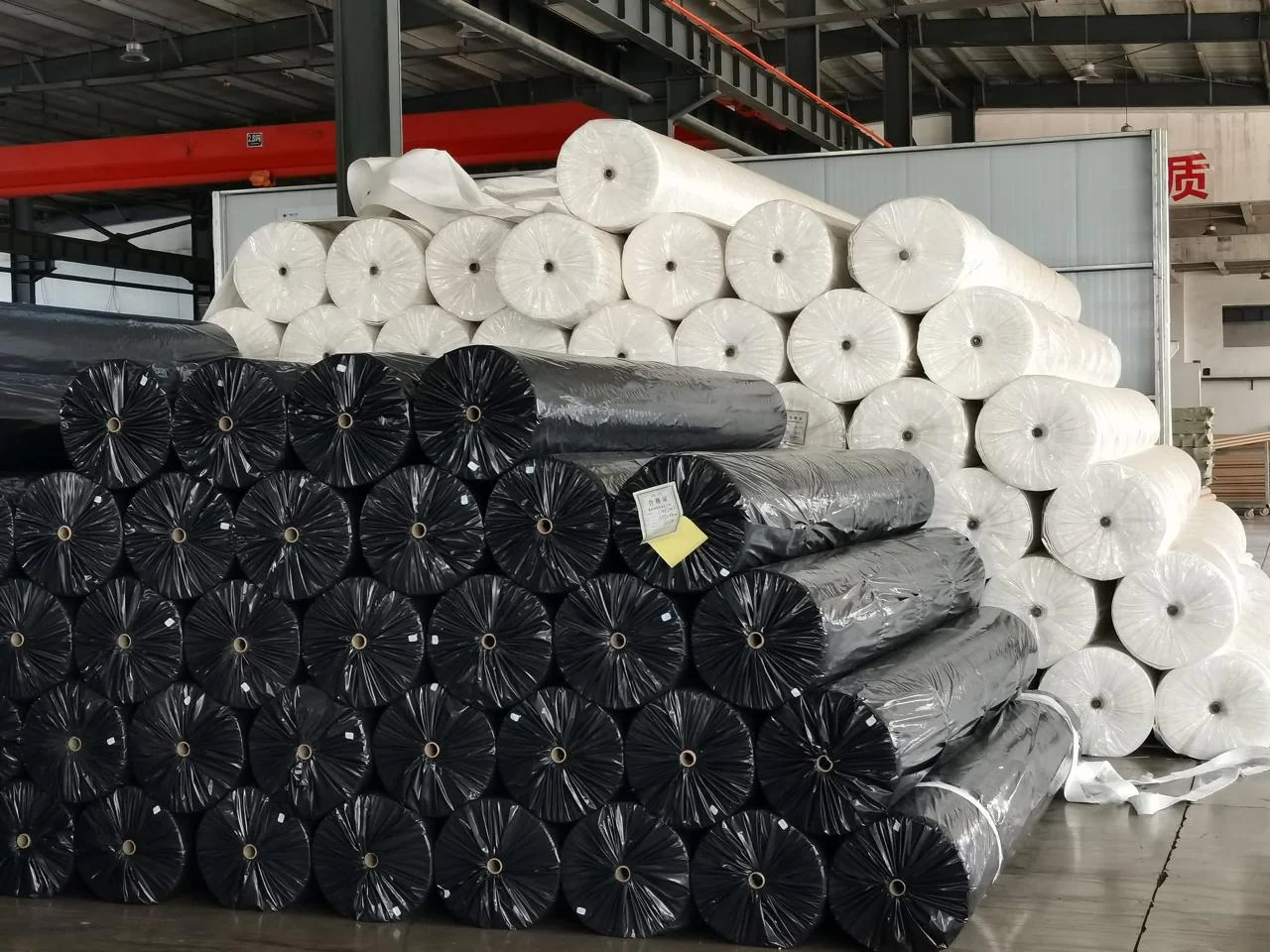
Geotextile rolls in black and white packaging
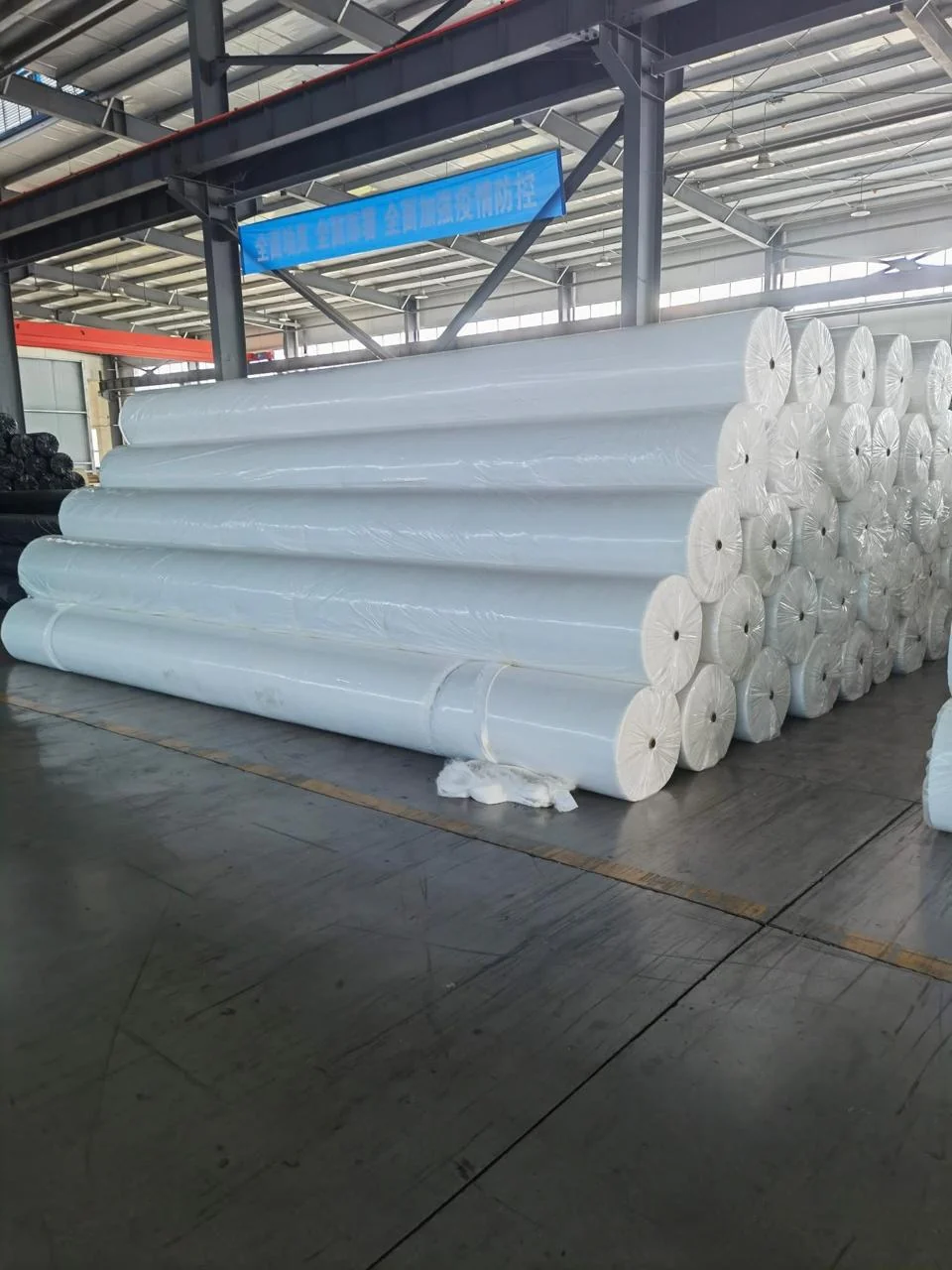
Geotextile rolls in warehouse storage
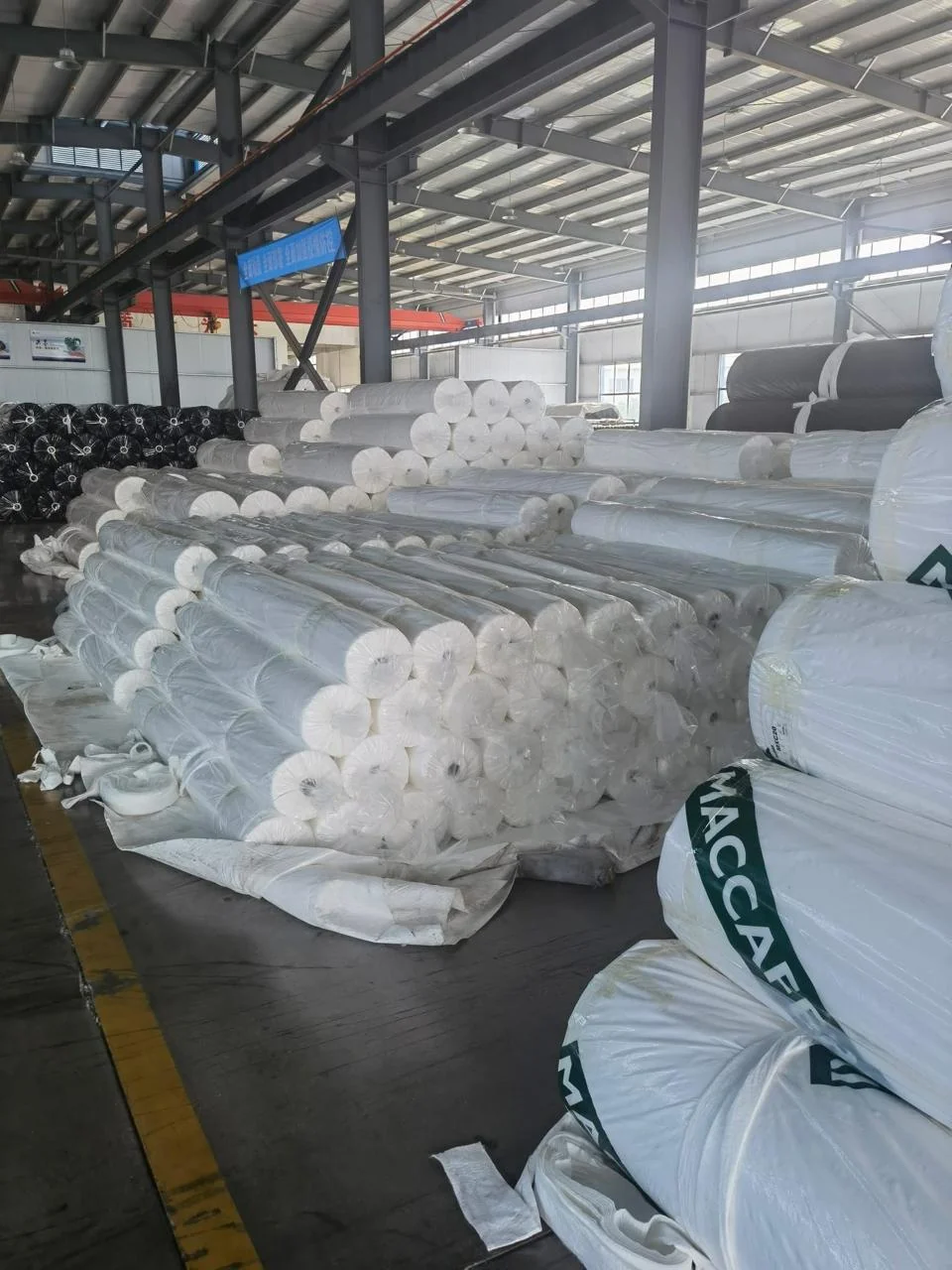
Geotextile rolls in white packaging
 Applications
 Benefits
 Installation
| Property or grade | Specification |
|---|---|
| Nonwoven fabrics | Needle-punched polyester or polypropylene fibre fabric |
| Woven fabrics | Interlaced polypropylene or polyester yarns |
| Nonwoven polyester GT 300 | Nominal mass per unit area 300 g/m². Minimum longitudinal and transverse breaking load 8.8 kN/m. Thickness at 2 kPa 2.8 mm. |
| Nonwoven polypropylene, 300 g/m² | Minimum longitudinal and transverse tensile strengths 17 and 16 kN/m. Thickness at 2 kPa 1.85 mm. |
| Woven polypropylene, grade 33 | Nominal mass per unit area 170 g/m². Minimum tensile strength in either direction 33 kN/m. |
| Woven polyester, grade 50/30 | Minimum longitudinal and transverse breaking loads 50 and 30 kN/m, respectively. |
The table gives examples of grades listed in the catalogue. Check opening size and permeability for filtration, and puncture resistance for geomembrane protection.
In an access road, yard or temporary haul route, aggregate is spread over the prepared subgrade. Traffic and construction loads can press stone into soft ground and move fines into the aggregate. A separation geotextile helps maintain the boundary between these materials and preserve the specified aggregate thickness. Show its position on the cross-section, then check foundation bearing capacity and any separate reinforcement requirements.
Select the fabric for the condition of the subgrade at formation level, aggregate shape and grading, expected equipment loads and the method of placing the first lift. Angular stone and early construction traffic create a risk of installation damage. Puncture resistance, tensile strength and elongation help describe how a proposed grade will handle these conditions. Check the relevant values in its technical data.
Woven geotextile is made by interlacing polymer yarns. When the fabric is specified to carry tensile load, compare the properties in the direction of the design force. Where movement is limited, specify the force at the relevant strain as well as the required strength. Check values in both directions and mark the orientation on the roll layout so the specified properties align with the loading direction.
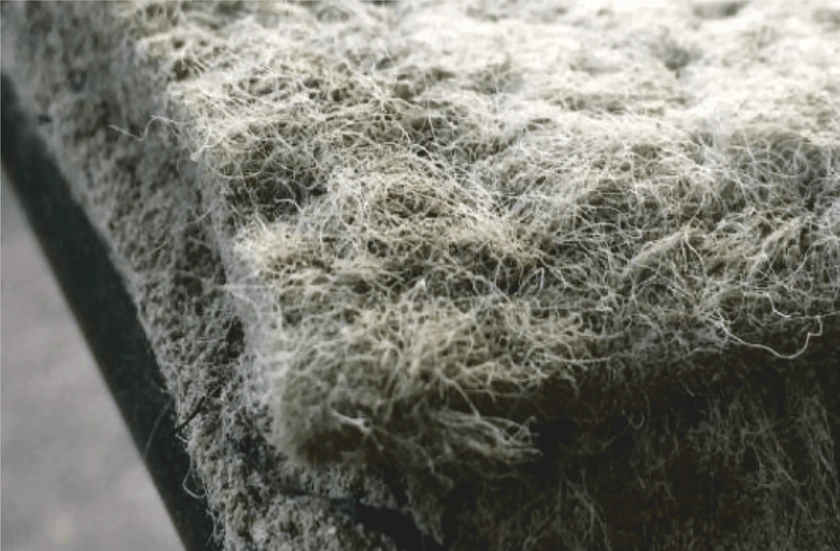
Needle-punched nonwoven geotextile consists of interlocked fibres in a flexible, permeable sheet. Appropriate grades provide separation, filtration or protection in layered systems. Polypropylene and polyester options are listed in the range. For unusual ground or water chemistry, ask for product-specific evidence of compatibility with the exposure and identify the polymer in the specification.
A filter between the soil and a drainage aggregate allows water to pass through the sheet and limits the movement of soil particles into the drain. The specified opening size and cross-plane water flow depend on the soil grading, permeability and hydraulic conditions. Fine soils and applications with a reversing or fluctuating flow may warrant tests for compatibility between the actual soil and fabric.
When comparing grades, check the test methods used for openings and water flow through the sheet. The drainage detail also specifies the aggregate and how the fabric stays continuous at the edges. Inspect the joints and pipe entries while the trench is open. These are locations where an uncovered gap could let soil move directly into the drainage aggregate.
A geotextile protection layer can be specified above or beneath a geomembrane to buffer local contact from the materials next to it. In a pond or containment liner, the relevant factors include the shape and size of particles, the prepared condition of the foundation, the pressure in service and equipment used during construction. Some assemblies use geotextile on both sides of the liner.
Mass per unit area is useful for checking roll handling and for comparing products within the same family. Protection should be assessed against the specified puncture criteria and the actual liner build-up. If a system test is required, identify the geomembrane and the material touching the geotextile. This helps relate the test conditions to the layers in the design.
Plan the roll layout using the working width, work sequence, curves and joint details. Where the fabric reinforces the ground, locate seams in relation to the load direction and review the connections specified by the designer. For stitched joins, include the required seam strength as well. For separation and filtration work, keep each edge overlapped or joined as specified so that the next layer can be placed over a continuous surface.
At delivery, match each roll label to the specification, inspect the packaging and check the accompanying documents. Before covering the fabric, record its condition and inspect overlaps, seams and junctions. Record any tears or punctures while they remain visible. The construction method should describe repair, aggregate placement and traffic restrictions for the selected grade.
When requesting geotextile for an installation in Kazakhstan, give the function, laying area, adjacent materials and specified performance. Include soil data for filtration, the liner build-up and cover material for protection, and the design requirements in each direction for reinforcement. Attach a drawing or bill of quantities when these define the area and roll orientation more clearly.
Provide the delivery address and proposed dates, with any unloading restrictions. Compare roll dimensions against the working layout, allowing for overlaps, cut pieces and transitions. If the work includes several zones with different grade requirements, list each separately and identify where the contractor needs supporting data or samples before ordering.
Geotextile can separate layers, filter water, protect other materials or provide reinforcement. Select the fabric properties for the function specified in the design.
Woven geotextile is made from interlaced yarns. Nonwoven geotextile consists of bonded fibres. Compare strength, elongation and filtration properties for the individual grades.
It is a nonwoven fabric in which needles mechanically entangle the fibres. Check that the properties on the data sheet suit the intended function.